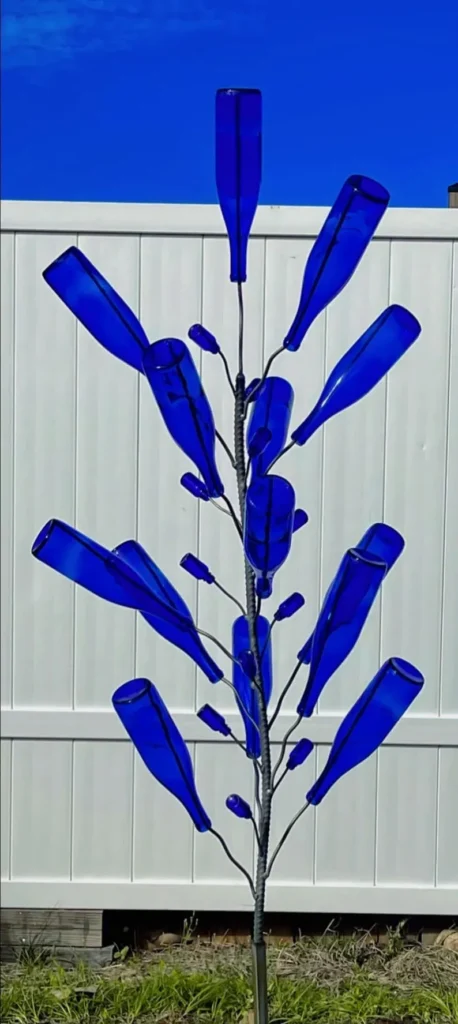
Authentic Sountern Glass Bottle Trees
Built in the South, By Hand, One at a Time
It’s Tuesday. I’m in the shop, building bottle trees one at a time.
It’s Tuesday. I’m in the shop, building bottle trees one at a time.
It’s Tuesday. I’m in the shop, building bottle trees one at a time.
It’s Tuesday. I’m in the shop, building bottle trees one at a time.

Welcome to Cubby’s Bottle Trees.
If you’re looking for quality that speaks for itself, you’re in the right place. Every tree is hand-welded in my Florida shop with attention to strength, proportion, and long-term durability. This is yard art built the right way — solid, balanced, and made to last.
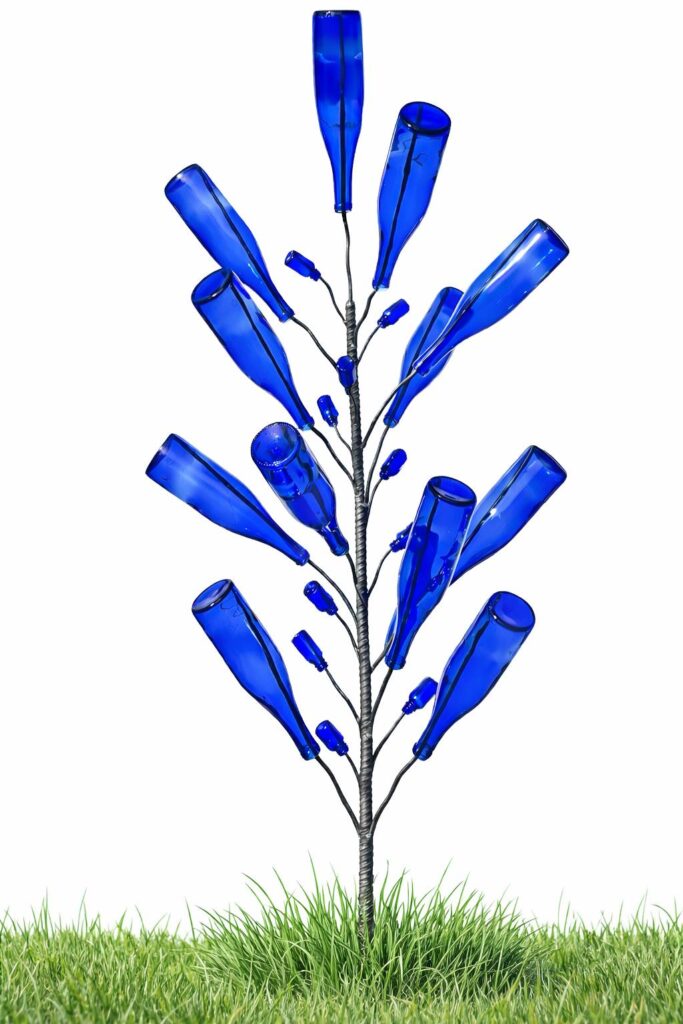
Cubby’s Bottle Trees
“Intentionally Made Better”
Bottle Trees: A Short History With Deep Roots
Bottle trees are a distinctive form of garden folk art found across the American South, but the tradition didn’t start here. Many historians trace it to Central Africa, especially Kongo cultural traditions, where glass objects and vessels were used in spiritual practices and protective symbolism.
Through the Atlantic slave trade, these beliefs and aesthetics crossed the ocean and took root in the United States. In the South, bottle trees became part of African American folk tradition, often placed near homes, gardens, and “swept yards,” where they were believed to guard the household.
The most well-known tradition says the bottles attract wandering spirits at night and “hold” them until sunlight destroys them in the morning. Whether you take that literally or as a beautiful piece of symbolism, the meaning is consistent: protection, peace, and keeping bad energy away from the home.
Blue bottles became especially associated with bottle trees, and you’ll still see that preference reflected today. In many Southern communities, blue is tied to protection and the “haint” (spirit) folklore found throughout the Lowcountry and broader Southern tradition.
Over time, bottle trees evolved from living trees and wooden branches into purpose-built garden sculptures, including welded metal forms, turning a protective folk practice into a bright, personal kind of outdoor art. That blend of history, function, and sparkle is exactly why bottle trees still catch eyes and start conversations today.